#NIRCam
4 wallpapers tagged "NIRCam"
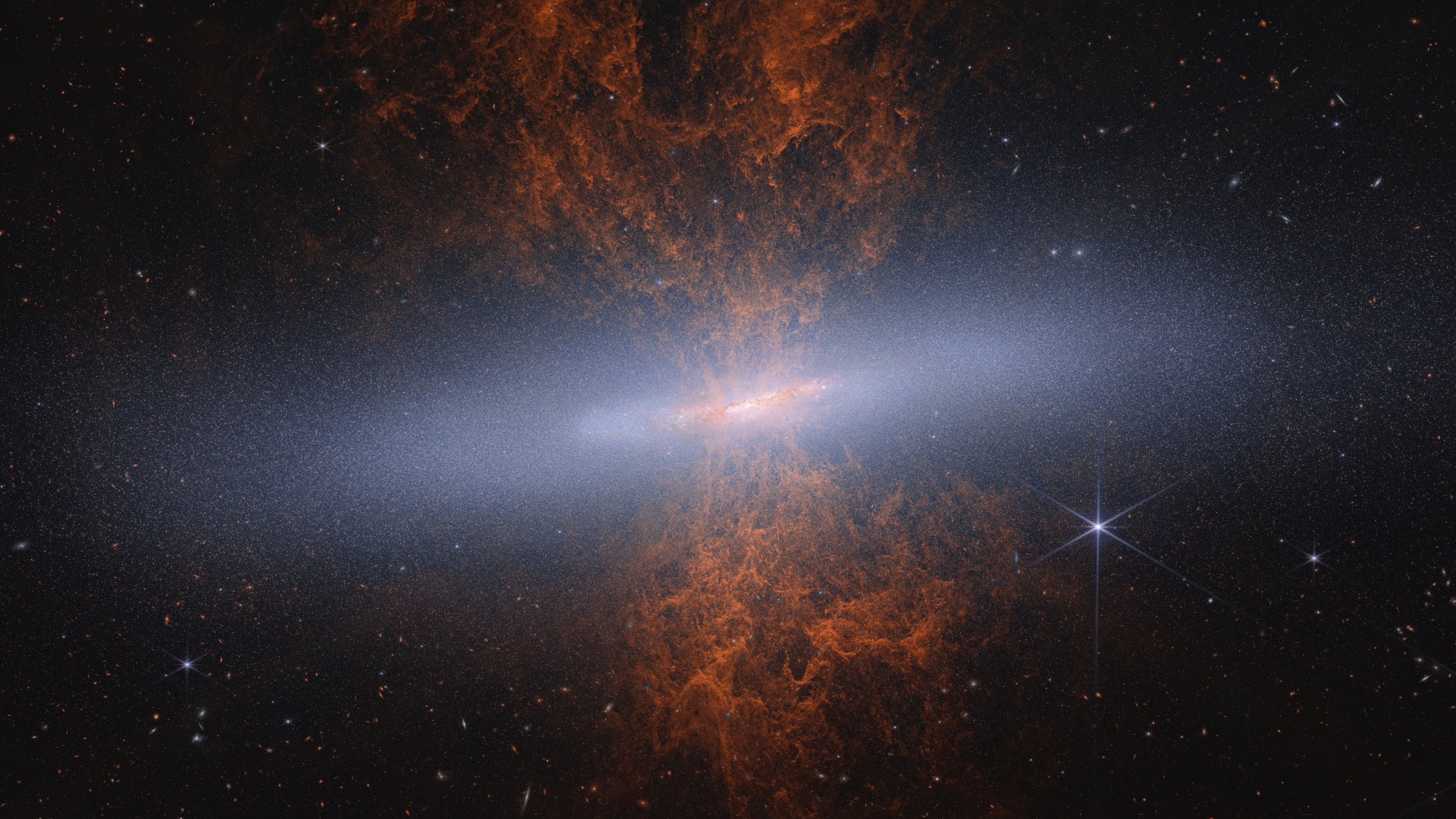
NASA's James Webb Space Telescope recently observed edge-on starburst galaxy Messier 82 (M82), nicknamed the Cigar Galaxy. Webb's near-infrared-light view is a snapshot in time, revealing a scene that has been evolving over a couple hundred million years. In near-infrared light, astronomers can see the galaxy's distended disk structure and millions of individual stars — approximately 16.5 million — for the first time. Webb's imaging survey of the galaxy is helping astronomers investigate the formation history of M82 and will also shed light on the current processes occurring within the starburst galaxy.
40.8k downloads
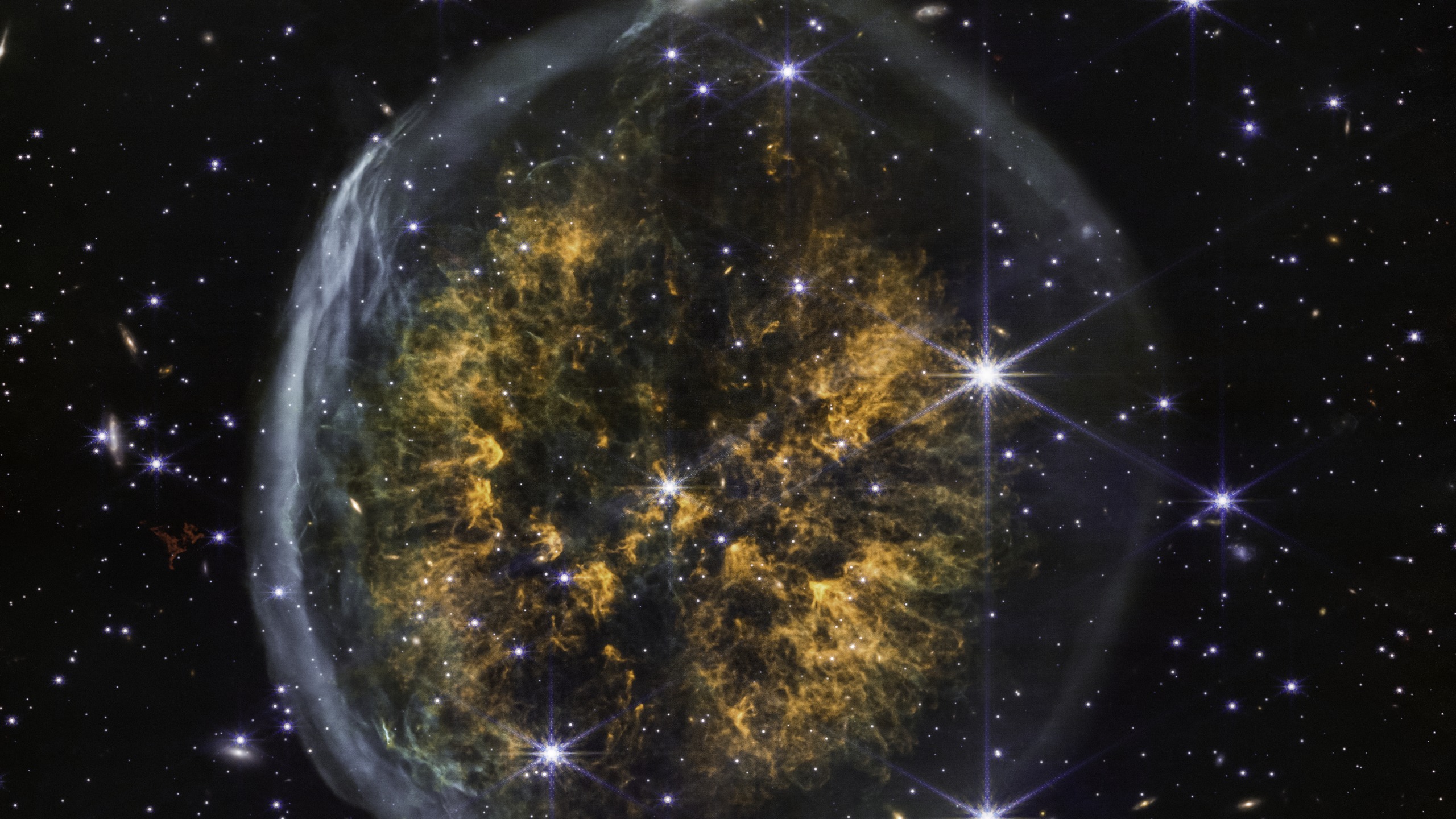
NASA's James Webb Space Telescope captured this near-infrared view of the PMR 1 "Exposed Cranium" nebula using its NIRCam instrument. More stars and background galaxies shine through in this near-infrared light, and the dark center lane that gives the nebula its distinctive brain-like appearance is especially noticeable here.
36k downloads
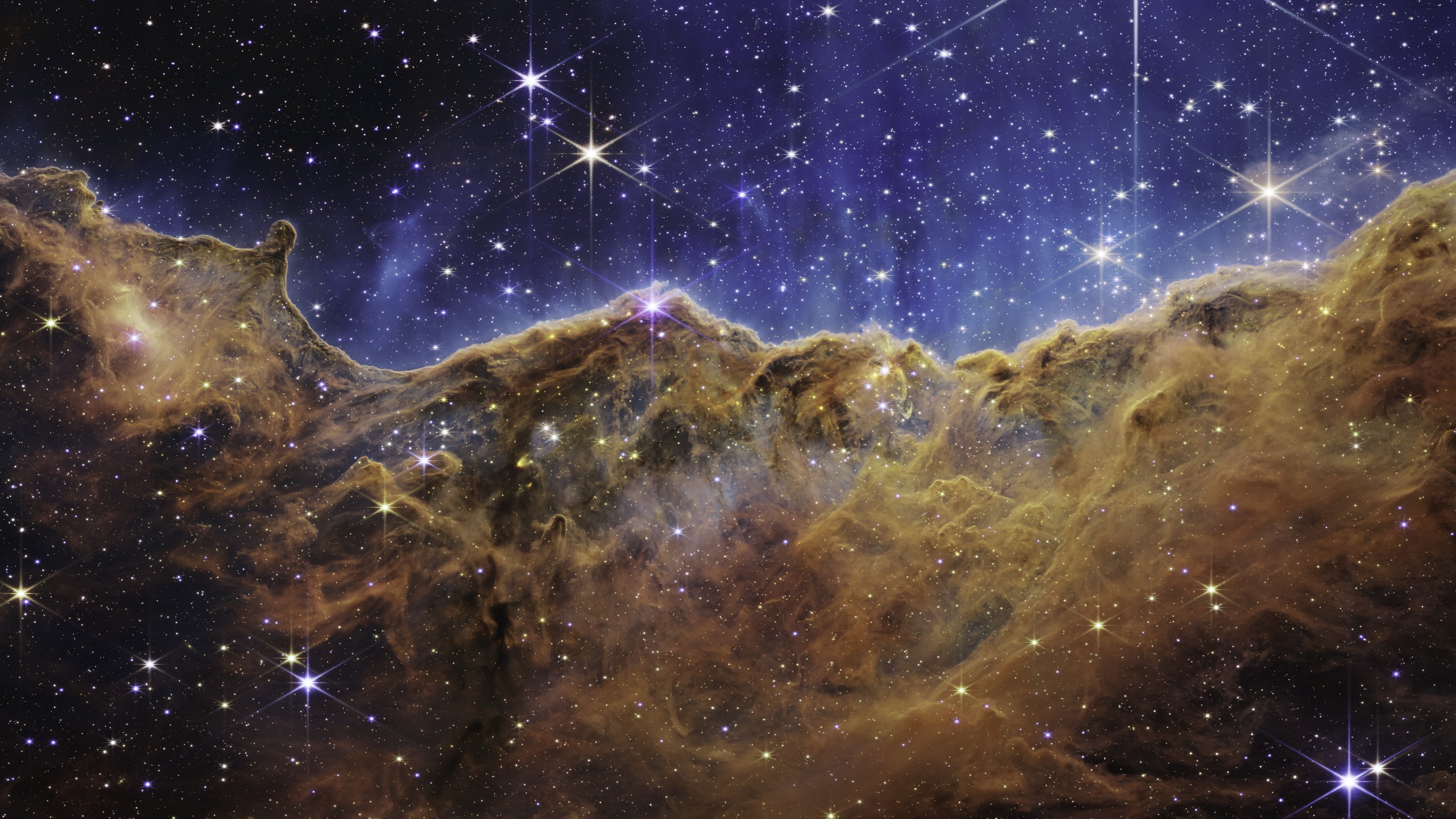
What looks like craggy mountains in moonlight is actually the edge of NGC 3324, a young star-forming region in the Carina Nebula, captured in infrared by Webb's NIRCam. Nicknamed the "Cosmic Cliffs," the region is the edge of a gigantic cavity carved by intense ultraviolet radiation and stellar winds from hot, massive young stars, revealing hundreds of previously hidden stars and background galaxies for the first time.
5.2k downloads
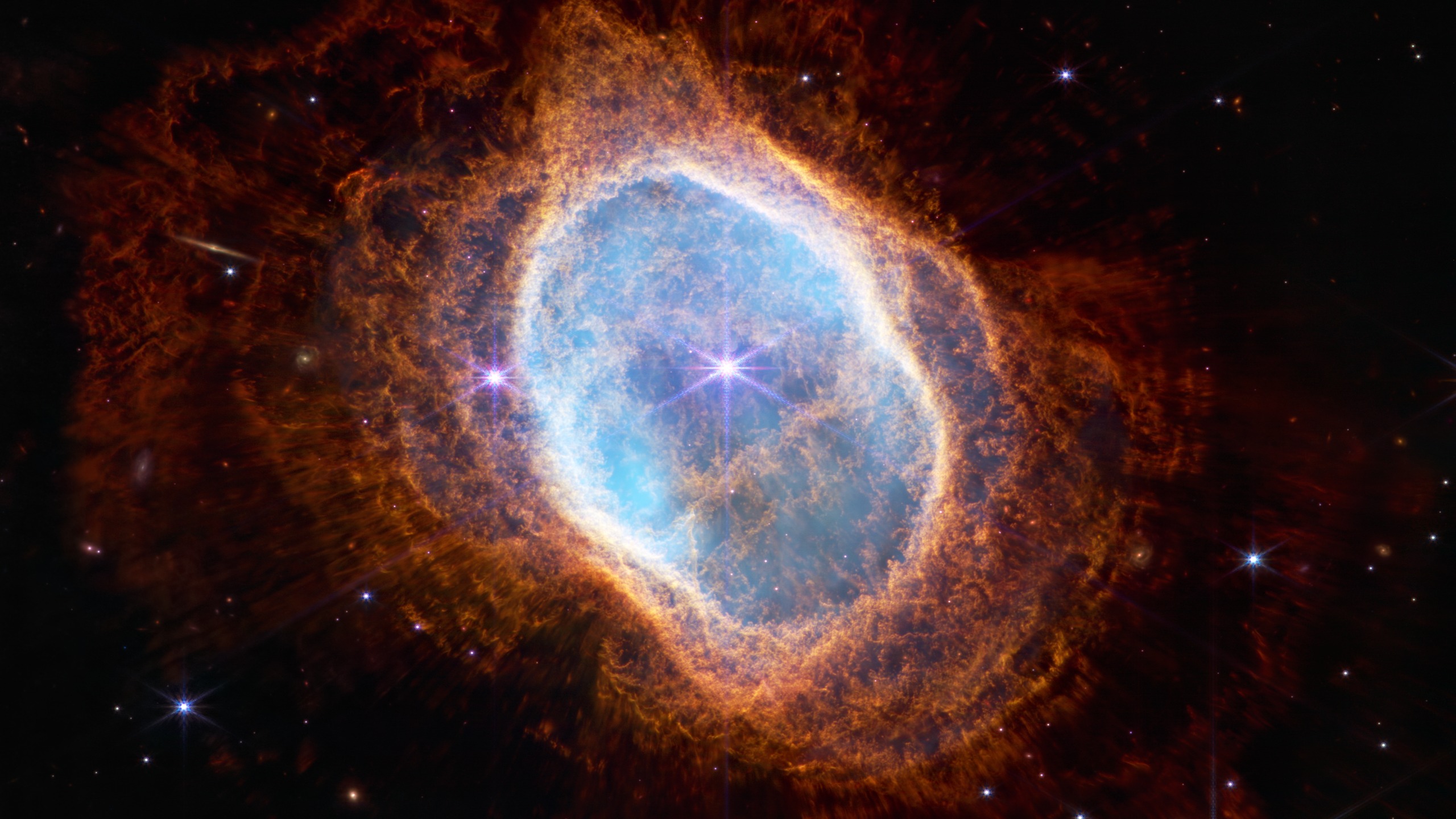
The bright star at the center of NGC 3132, the Southern Ring Nebula, plays a supporting role in sculpting the nebula's rings — a dimmer companion star hidden along one of its diffraction spikes is the true source, having ejected at least eight layers of gas and dust over thousands of years. Webb's near-infrared view also reveals countless background galaxies through the nebula's transparent regions.
2.1k downloads